In Digital Art How Do You Pick a Color for Shadows
"I found I could say things with color and shapes that I couldn't say any other fashion - things I had no words for."
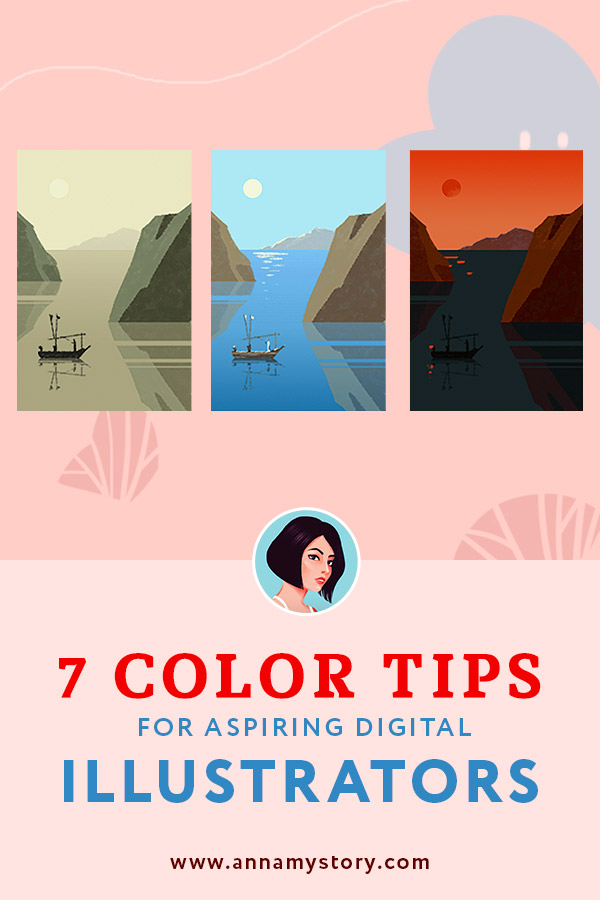
Both in digital and traditional analogy – colors play a great role in how we perceive an artwork. They directly influence what feelings the paradigm arouses and what details catch our middle's focus when nosotros first look at it. Color direction is a powerful instrument of any creative person who knows how to use it well.
Add Your Heading Text HereI volition not dive deep into complex colour theory in this article. Instead, I desire to share my top 7 practical and simple tips that will assistance you to become better in using colors. These tips piece of work for me equally a practicing illustrator and I believe they will be useful for y'all too.
Contents
Tip i. Avoid using pure black
To put it unproblematic (and maybe but a bit scientifically) Pure black is an absence of light. Information technology can exist in nature (when there is no light at all) only is extremely rare. We don't notice blackness holes every day, right? What we perceive as blackness is in fact a mix of darkest shades of other colors.
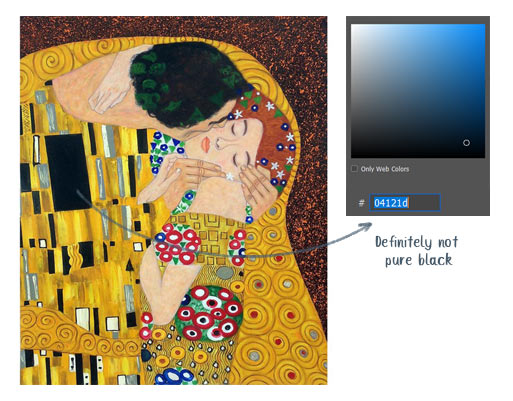
What does all this accept to exercise with analogy and digital art? Well, when we draw characters or objects inside some environment the black elements they comprise are ever affected by the surround. For example black hair or costume will appear dark brown in the morning warm light and dark blue on a winter evening. By the fashion, impressionists of the past were known for non using black paint at all, as they believed that in nature all colors were fabricated by mixing.
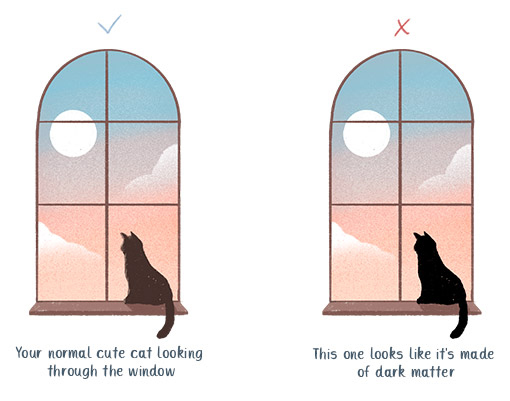
Unless it's a blackness and white illustration or a very stylized drawing, usage of pure black colour (#000000) won't practise y'all any favor. Fifty-fifty the deepest shadows look more realistic and vibrant when you employ dark shades of nearby colors.
Tip 2. Employ colors to display emotions
Colors tin can be a bang-up tool to convey certain mood in your artwork. With the right option it's easy to make you art sunny and joyful, night and gloomy, or dark and mysterious, etc. Colour palette is what instantly tells our encephalon what to expect even before we start going through the details.
Pastel color palettes are great for dreamy and serene compositions. Battle scenes require more than dissimilarity and energetic coloring. It may audio rather obvious, but there are a lot of immature artists out there who like to utilise bright colors for about everything they draw. It may look good when those illustrations are lined up together every bit they all grade ane manner of art. But it may blur out the emotions of each individual piece of work.
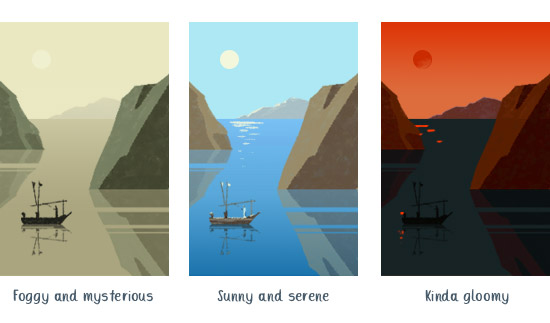
I'm not talking about the cases when your color scheme is predefined by a customer (for case if you need to draw illustrations for the brand which has red and xanthous equally their corporate colors). However, if you actually want to put emotions in your work consider choosing your palettes according to the subject. Simply ask yourself – what emotions do I want to evoke with my artwork?
Tip three. Add dissimilarity and accents with color
Colors can assist you emphasize important details of the drawing and place the correct accents. Contrast is considered ane of the key principles in fine art and is an extremely powerful tool for creative expression.
When we think of contrast, the first matter we probably imagine is a blackness and white ink drawing. In other words a combination of something light and nighttime. But information technology's only 1 of 3 kinds of color contrasts. These are color contrast options:
i) Between light and dark (value)
2) Between saturated and dull colors (saturation)
three) Betwixt complementary colors (hue contrast).
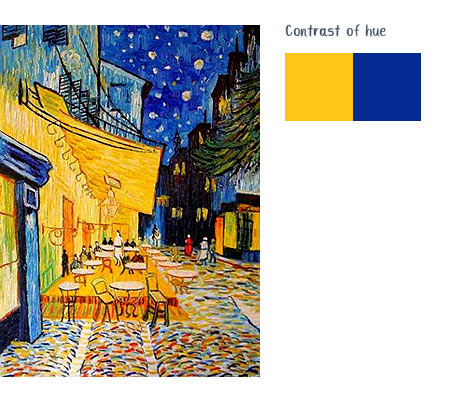
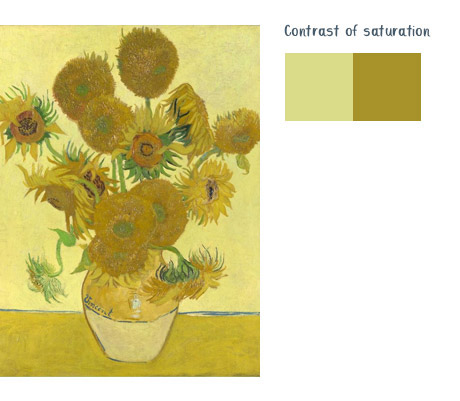
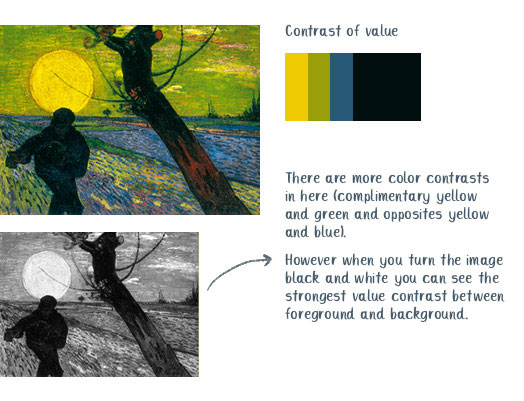
Experiment with each of these options. A clever usage of contrast in your artwork can guide the centre of the viewer and highlight the important details you want to bring into focus.
Tip 4. Do non forget about surroundings light
Surroundings or surrounding calorie-free is what makes white dresses expect bluish in the shadows and leaves appear brilliant green on a sunny mean solar day. Environs sets the whole atmosphere of the drawing and defines the overall brightness, temperature of highlights and shadows and level of contrast.
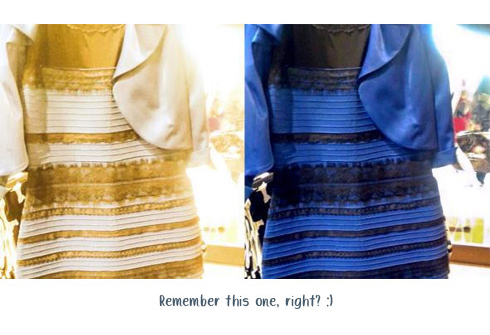
We artists oftentimes concentrate on drawing characters first and think of the background later on. Digital art nowadays allows the states to exist flexible with how we paint and adding some background layers is non a problem. Though in guild to brand the drawing await natural and the character fit in the artist should ever accept into account the environment and the lighting sources.
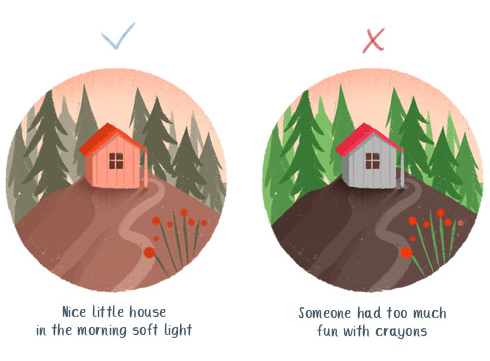
If your character has a green jacket it would not exist the same greenish on a foggy morning as in a bright summertime light. You lot should consider the lite sources that touch on your object. Your person in a green jacket sitting in a cold shadow under the tree vs the same person 5 minutes after standing nether the lord's day will definitely require different coloring.
Tip 5. Do your enquiry for stylizations
Sometimes we deliberately want to reflect a sure style or epoch in our illustration. It can be anything from accurate stylization of an art nouveau style to an European vintage travel affiche. In any case you should not forget that colors play an important role in reflection of that item historical catamenia in art.
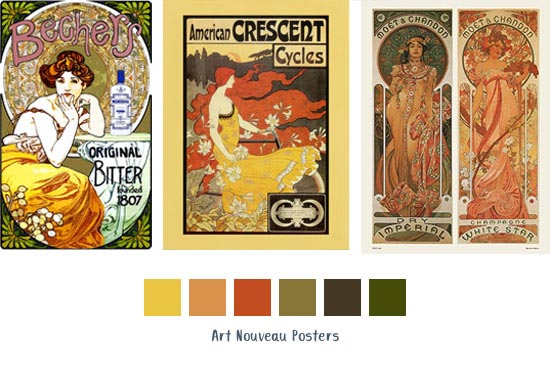
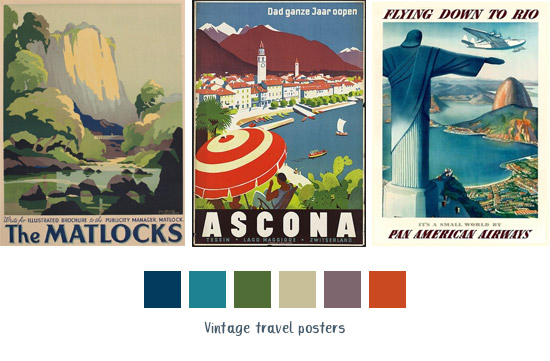
If you dig deep enough into history, you lot will 100% find interesting facts about traditional colors in dissimilar cultures. Or how they afflicted colour choices in artworks. A item era often has a particular pallet.
Hither is an example for yous 🙂 During the time of samurais in Japan there were special colors assigned for different members of club. So if you lot make up one's mind to draw a noble Japanese family of the past, choosing white clothes would be a bad thought as it was a color used by folks of lower social circles.
Tip half dozen. Make use of the expert old color cycle
Even if you never studied art before you probably have seen the famous color bike at least once or twice in your life. Information technology was invented past Isaac Newton and has been successfully used e'er since in color theory and related areas.
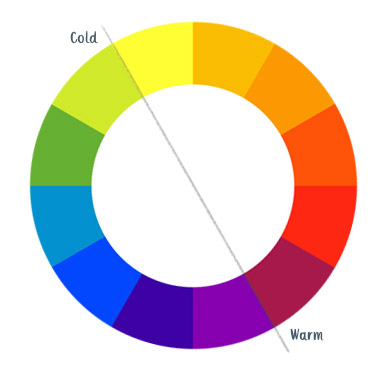
Colour theory is incredibly circuitous. But as artists we are interested in understanding the relationships between colors and how to mix them. So hither are 3 useful tips you can concentrate on and utilise in your work:
- The correct part of the wheel represents warm colors and the left ane is for cold ones. Warm colors are perceived by our brain equally active and lighter while cold ones are more at-home and afar.
- Colors sitting together on the bike are perceived as harmonious. They are great for shading and highlights. Utilise them to add more life to a chosen field of study.
- Colors located on the opposite sides of the bike create the highest contrast – so be authentic with them. If you lot really demand to put green and ruby together – brand one of them master and go out the other one as an accent or play with saturation.
Tip 7. When in doubt – simplify
Mastering colors is not an easy job and needs time and practice. For some of united states working with colors may exist harder than for the others. But it doesn't hateful that it can not be trained and learned. On the contrary.
Just If yous feel uncertain using colors, a great way to assist you proceed would be deliberately limiting your color palette. Endeavour using 2-3 colors for your art at first or even start with black and white. Challenges like Inktober are cracking for such exercise.
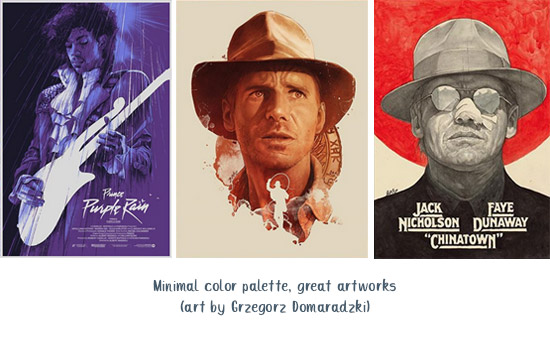
Making it elementary can help a lot. When you lot don't overthink almost what tint of light-green to choose for the grass or what colour the skin of the character should be, you start paying more attention to other parts of your work. Similar your composition or particular object detalization. This technique of simple palette will often non only brand your drawings look more sophisticated but likewise will train your feel of contrast and rest.
Conclusion
Colour theory is rather complex if you commencement excavation into all the details. But as digital artists we don't have to written report information technology for years to become skillful in managing our color palettes. In that location are certain techniques and tips we should keep in mind when nosotros create artworks. They are non that hard to follow but any creator can benefit from utilizing them.
I promise my experience volition assist you develop the necessary skills and create some stunning visual fine art 🙂
Source: https://annamystory.com/7-color-tips-for-aspiring-digital-illustrators/
0 Response to "In Digital Art How Do You Pick a Color for Shadows"
Post a Comment